
Phones for less
Spend Less on Your Next Phone
Used, refurbished, unlocked, traded in or repaired: what the rules say and what to check first.
A phone a year or two old often does everything a new one would for far less, as long as it is unlocked, paid off and in working order. A local repair shop or your carrier’s store can help with the hands-on part; these guides cover what to check and what the rules are.
Each guide is built from what the FTC, the FCC, the Copyright Office and state lawmakers publish. Local resources such as your state attorney general’s consumer office can help if a seller or carrier will not resolve a problem.
The guides
Your Phone-Saving Inbox
Every guide is a thread. Pick a folder, open what you need; the blue dot disappears once you have read it.
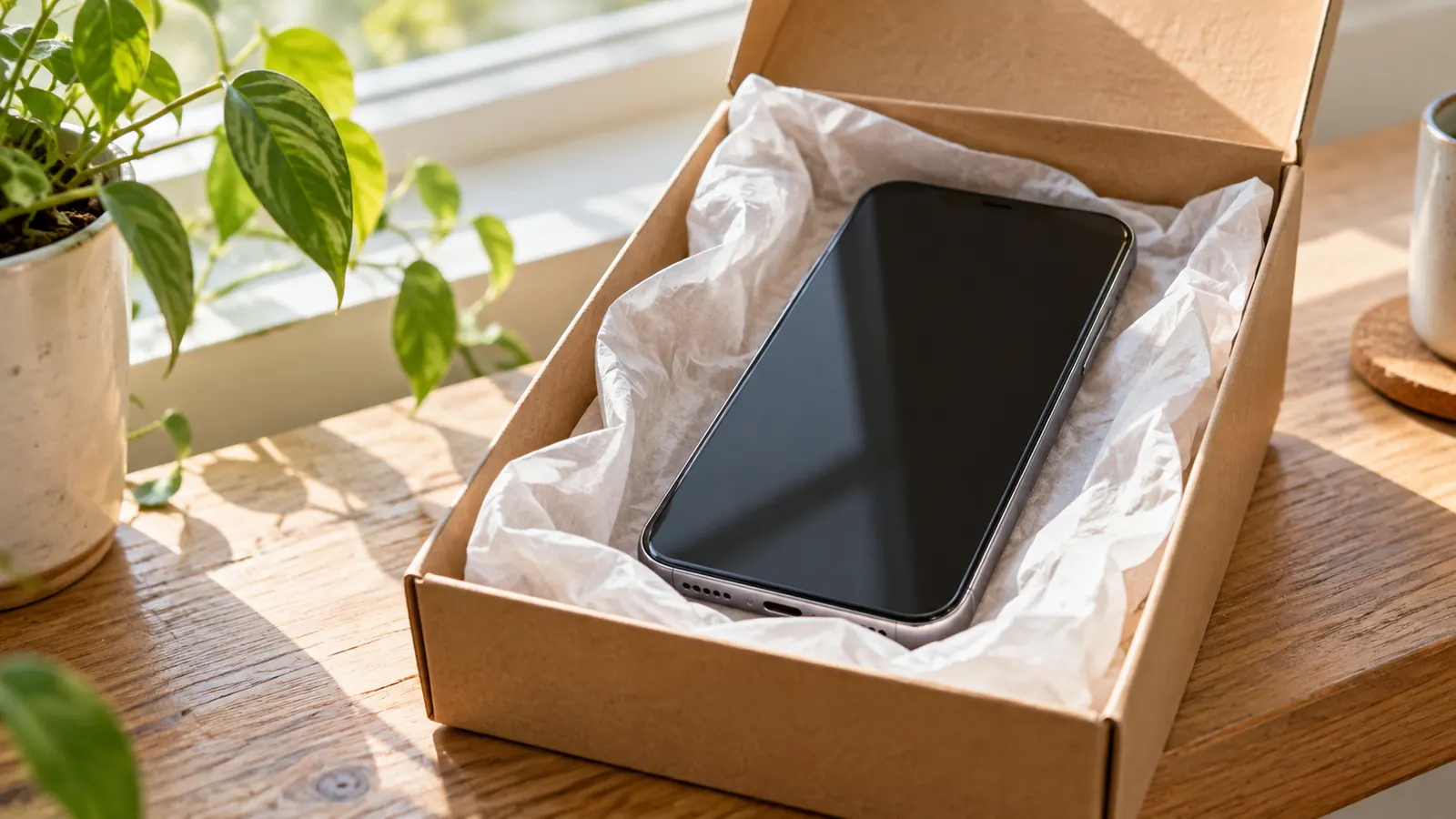 Buying a Used Phone: How to Save Without Getting BurnedBuying UsedA used phone can cost a fraction of a new one, but the risks are real: locked devices, hidden damage, fakes and sellers who vanish. Where to buy, how to pay, what to ask and the checks that protect your money, based on FTC guidance.
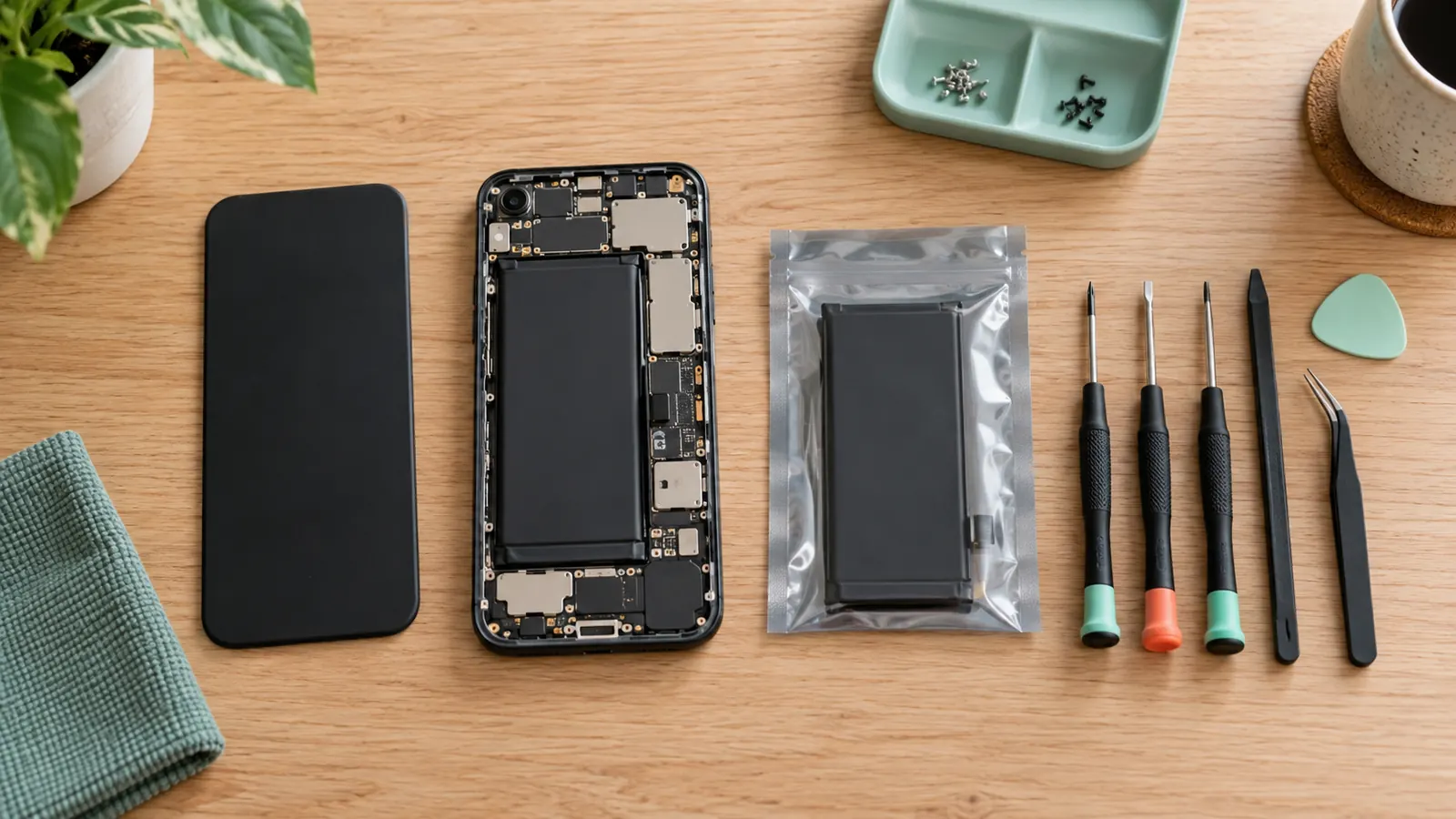 Refurbished Phones Explained: What the Word Does and Doesn’t MeanBuying Used“Refurbished” sounds reassuring, but no single federal standard defines it. What a refurbished phone usually is, the questions that reveal what you are actually getting, how warranties and returns work and when a plain used phone is the better deal.
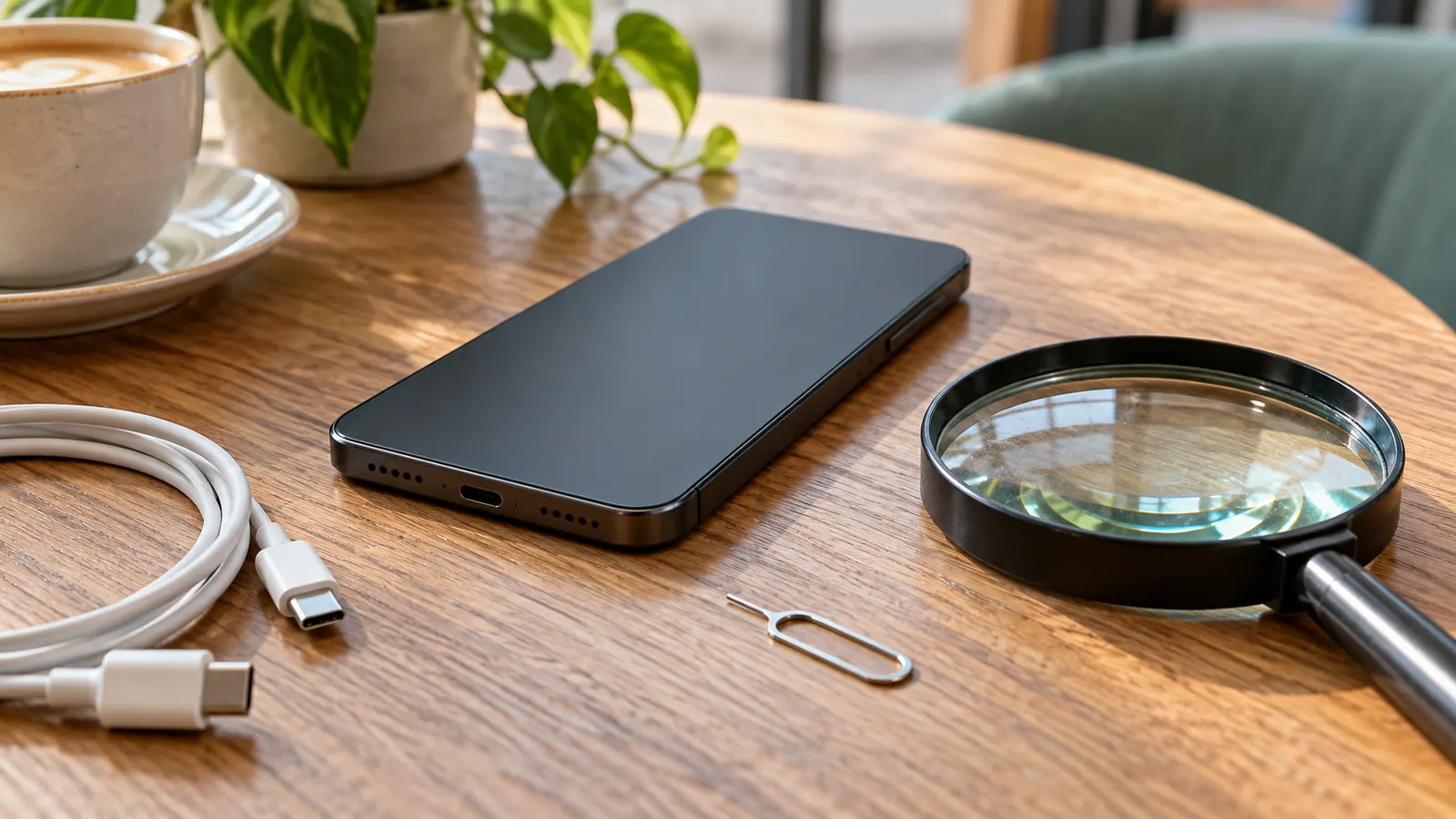 Checking a Used Phone Before You Buy: A Practical ChecklistBuying UsedTen minutes of testing can save you from a locked, damaged or stolen phone. A step-by-step checklist for meeting a seller: accounts and activation, network, hardware, battery and paperwork, plus the warning signs that should end the deal.
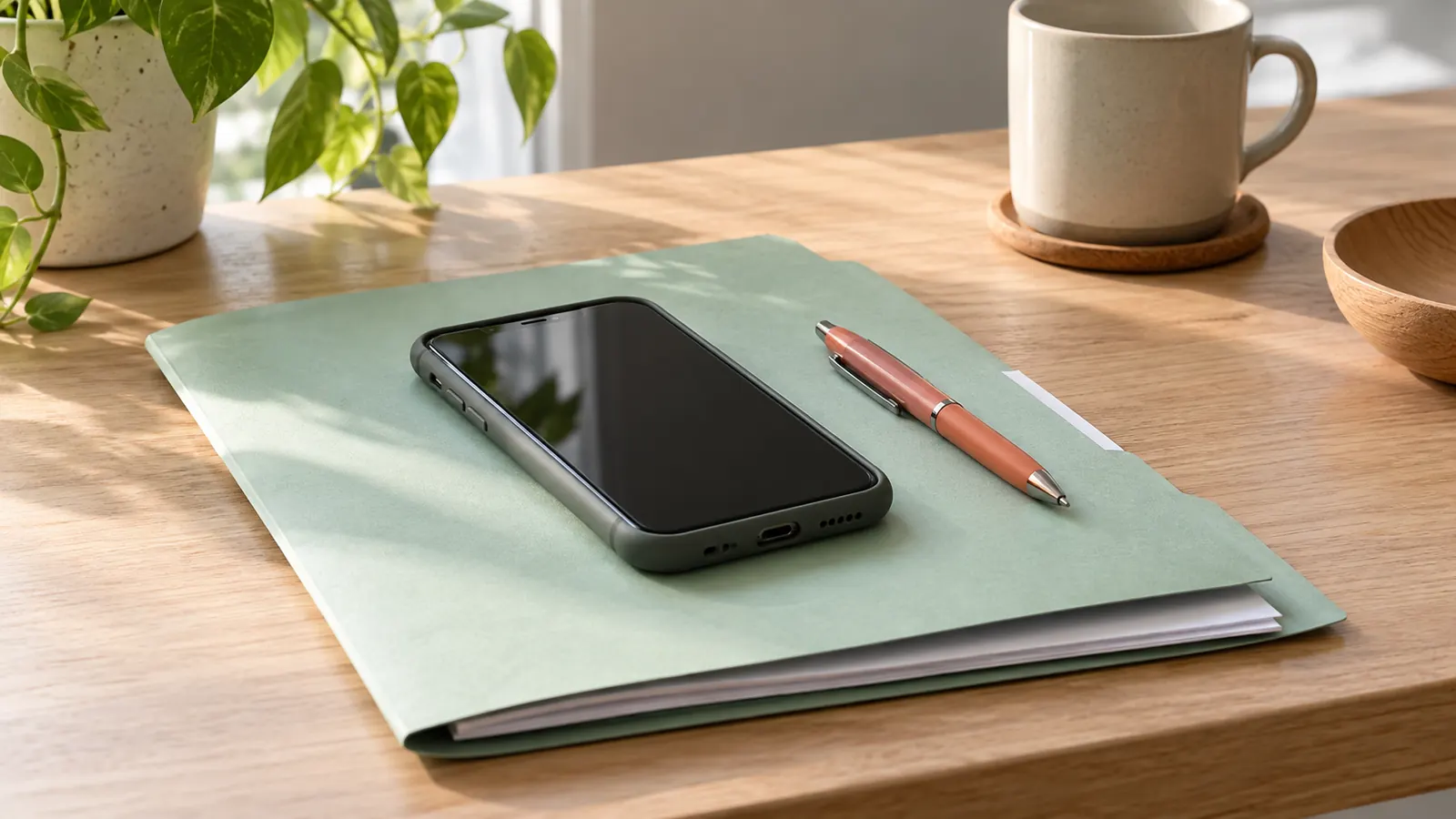 Warranties on Used and Refurbished Phones: What You Actually GetBuying UsedA used phone may come with a maker’s warranty, a seller’s warranty, only the implied warranties of state law, or nothing at all. How each works, what the Magnuson-Moss Warranty Act says about repairs, how to read the fine print and what to do when a claim is refused.
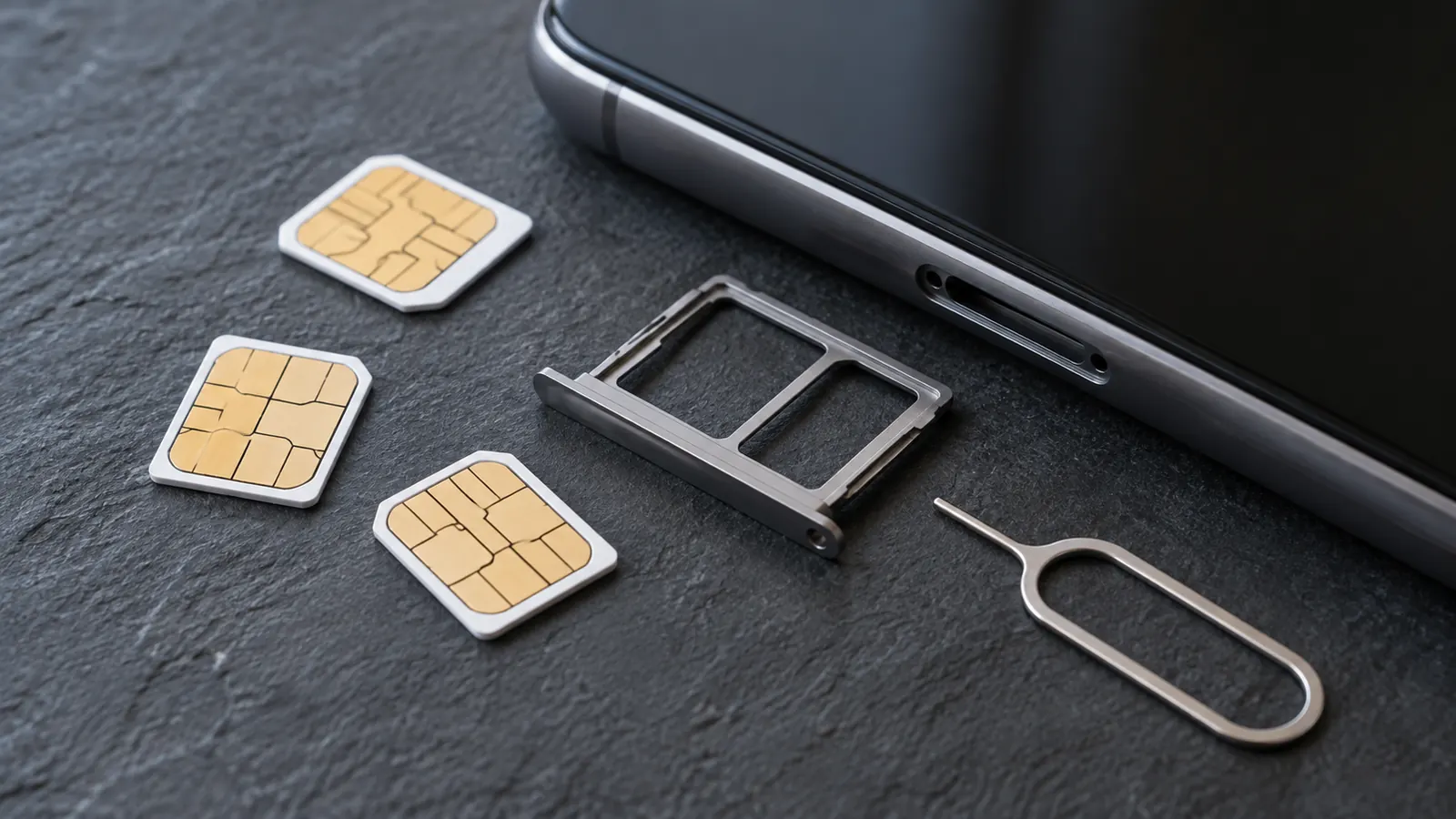 How Phone Unlocking Works: Postpaid, Prepaid and the Waiting PeriodUnlocking & Trade-InsA locked phone works only with the carrier that sold it. Why carriers lock phones, the industry’s six unlocking commitments, when postpaid and prepaid phones become eligible, what changed with the FCC’s 2026 waiver for one national carrier, and how to ask for an unlock.
 Is Unlocking a Phone Legal? The Copyright Rule ExplainedUnlocking & Trade-InsFor a few years, unlocking a phone without the carrier’s permission ran into copyright law. How that happened, how Congress fixed it in 2014, what the current Copyright Office exemption allows, who may do the unlocking and how repair is now covered too.
 Trade-Ins and Bill Credits: How to Get Real Value From an Old PhoneUnlocking & Trade-InsA trade-in can be worth a lot, or tie you to a carrier for years. How instant trade-ins differ from promotional bill credits, how credits interact with financing and unlocking, what to do with the phone before you send it and how to compare a trade-in with selling it yourself.
 Wiping a Phone Before You Sell, Trade or Recycle ItUnlocking & Trade-InsYour old phone carries your accounts, photos, messages and passwords. The FTC’s steps to remove personal information before a phone leaves your hands, the order that avoids locking yourself out, and why a factory reset is not the only thing to do.
 Phone Insurance vs. Extended Warranty: Which, If Either, Is Worth It?Insurance & RepairPhone insurance, protection plans and extended warranties overlap more than their marketing suggests. What each covers, what state law requires sellers of phone insurance to disclose, the FTC’s checklist for service contracts and when saving the money yourself makes more sense.
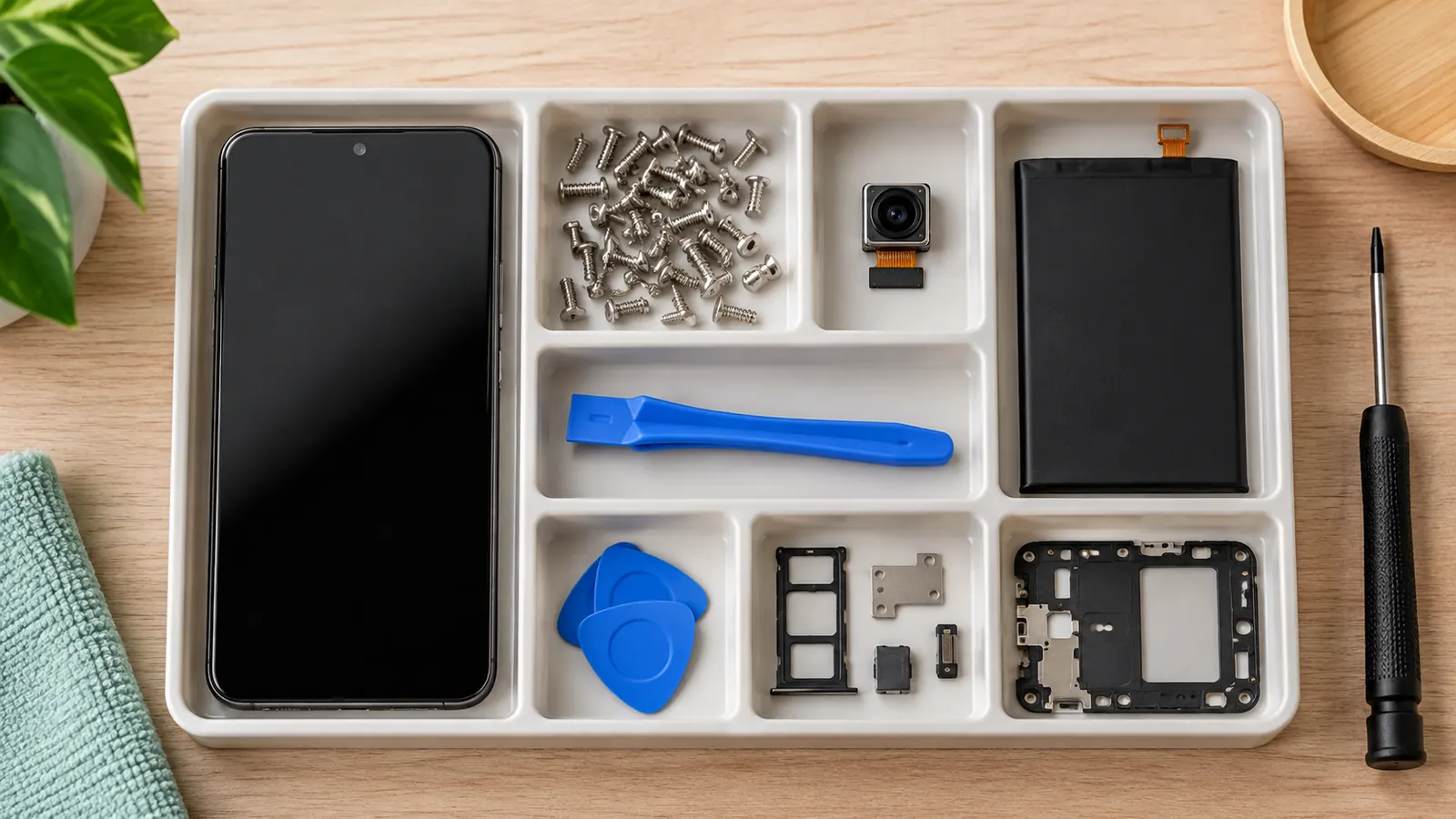 Right to Repair and Your Phone: What Federal and State Law SaysInsurance & RepairYou can repair your own phone or use an independent shop without automatically losing your warranty, and some states now require makers to sell parts, tools and manuals. What the Magnuson-Moss Warranty Act, the federal copyright repair exemption and Minnesota’s digital fair repair law actually say.
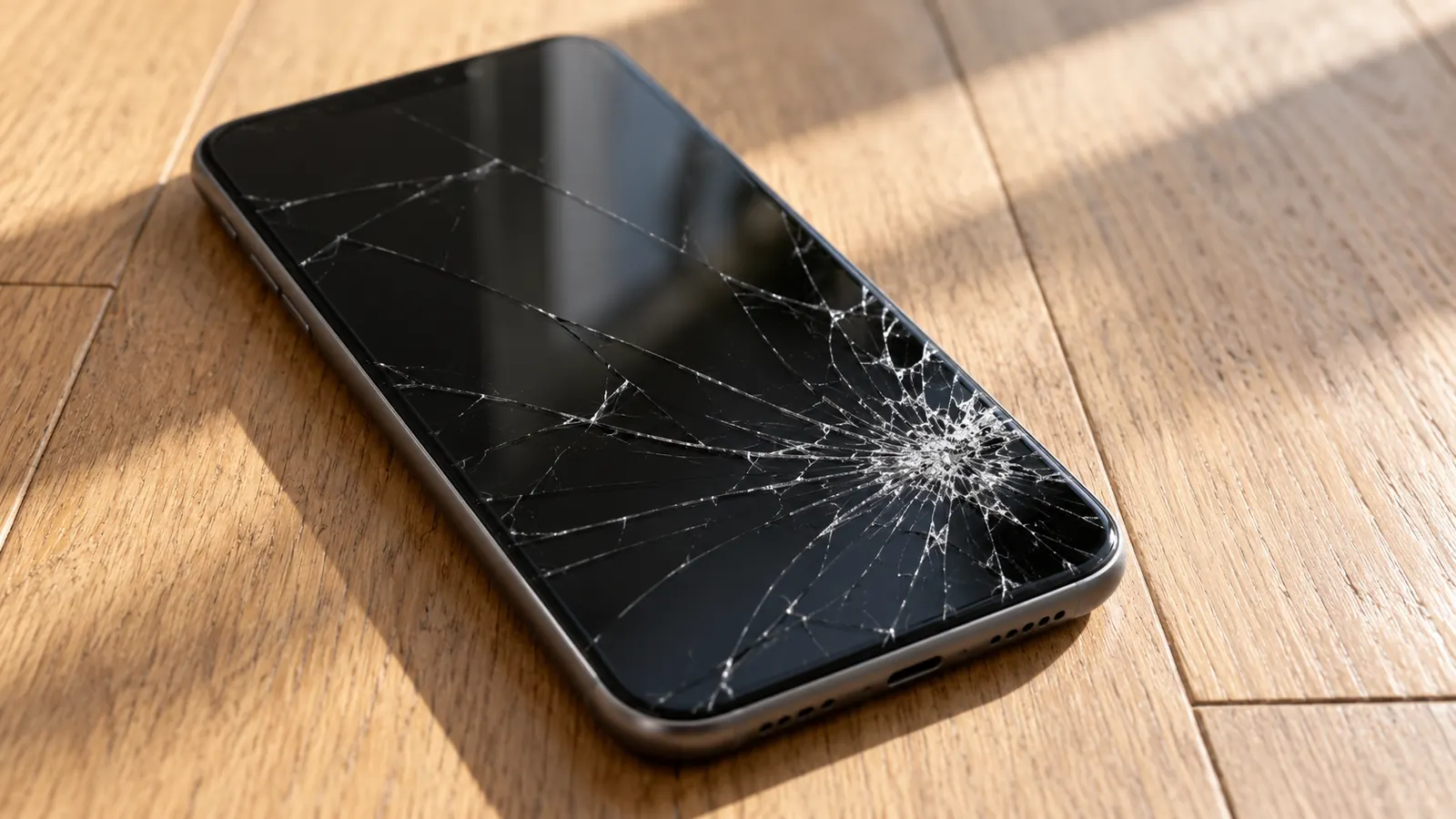 Fixing a Cracked Phone Screen: Repair Options and Costs to WeighInsurance & RepairA cracked screen is the most common phone injury, and the cheapest fix depends on your warranty, any insurance, and who does the repair. How to compare maker, carrier, independent and do-it-yourself repairs, what your rights are and when it makes sense to replace the phone instead.
 Recycling an Old Phone Safely and ResponsiblyInsurance & RepairAn old phone in a drawer has value, both in metals and in data risk. How to wipe it, where to donate or recycle it, why lithium-ion batteries must never go in the trash and what recycling a million phones recovers, according to EPA.
Pinned
Five Things to Know Before You Spend
The short version of the whole site, pinned to the top of the chat.
Cell Cheaper · pinned
Pay with protection
The FTC recommends paying for anything bought online or from a stranger with a credit card or a secure payment system that protects buyers, and warns against wire transfers and other methods that make it hard to get money back. If a used phone’s price is far below the going rate, the FTC notes it might be fake. More in Buying a Used Phone: How to Save Without Getting Burned.
Check accounts before cash
A phone that is still signed in to the seller’s account may refuse to set up for you after a reset. Watch the seller sign out and erase it, then start setup yourself before you pay. Test calls, data, cameras, speakers and charging with your own SIM. The full list is in Checking a Used Phone Before You Buy: A Practical Checklist.
Unlocking is legal and has rules
Congress settled in 2014 that you may unlock a phone you own, and the current federal exemption covers wireless devices whose new network allows them. Under the wireless industry’s commitments, postpaid phones are unlocked once they are paid off and prepaid phones within a year of activation. See How Phone Unlocking Works: Postpaid, Prepaid and the Waiting Period.
Independent repair does not void a warranty
Under the Magnuson-Moss Warranty Act, the FTC says, a company cannot void your warranty just because you used another company’s parts or an independent repair shop, unless it provides those free. It can refuse to cover damage that the outside repair actually caused. More in Right to Repair and Your Phone: What Federal and State Law Says.
Wipe it, then let it go
Before you sell, trade in or recycle a phone, the FTC says to back it up, remove the SIM and memory cards, unlink it from your accounts and restore factory settings. Lithium-ion batteries never go in household trash or recycling bins, EPA says. See Wiping a Phone Before You Sell, Trade or Recycle It.
Questions
Ask Us Anything About Cheaper Phones
Short answers from the FTC, the FCC and the law, each with the guide that goes further.
Is it legal to unlock my phone?
Yes, if you own it. The Unlocking Consumer Choice and Wireless Competition Act of 2014 settled it, and the current federal exemption lets the owner, or someone acting for the owner, unlock a wireless device to connect to a network that allows it. See Is Unlocking a Phone Legal? The Copyright Rule Explained.
When will my carrier unlock my phone?
Under the industry’s voluntary commitments, carriers unlock postpaid phones once the contract, financing or early termination fee is paid, and prepaid phones no later than one year after activation. They should act or explain within two business days. See How Phone Unlocking Works: Postpaid, Prepaid and the Waiting Period.
What does refurbished actually mean?
There is no single federal definition. Makers, carriers and resellers each set their own standards, so ask what was tested and replaced, what the battery health is and what warranty comes with it. See Refurbished Phones Explained: What the Word Does and Doesn’t Mean.
Does a used phone come with a warranty?
Only if one is in writing, plus your state’s implied warranties unless the sale was marked as is where state law allows. The FTC says a warranty must be available to read before you buy. See Warranties on Used and Refurbished Phones: What You Actually Get.
Are trade-in bill credits worth it?
Sometimes. Credits usually arrive monthly over a financing plan and can stop if you switch plans or leave, and a financed phone usually stays locked until it is paid off. Compare the total with selling the phone yourself. See Trade-Ins and Bill Credits: How to Get Real Value From an Old Phone.
Do I need phone insurance?
Not necessarily. State laws require sellers to tell you that phone insurance may duplicate your homeowners or renters coverage, that it is optional and what the deductible is. The FTC notes a savings account can be a better option. See Phone Insurance vs. Extended Warranty: Which, If Either, Is Worth It?.
Will an independent repair void my warranty?
Not by itself. The FTC says companies cannot void a warranty solely because you used an independent shop or third-party parts, though they may refuse to cover damage the repair caused. See Fixing a Cracked Phone Screen: Repair Options and Costs to Weigh.
How do I get rid of an old phone safely?
Back it up, remove the SIM and memory cards, unlink accounts and reset it, then sell, donate or recycle it with a certified recycler. Keep lithium-ion batteries out of the trash, EPA says. See Recycling an Old Phone Safely and Responsibly.